Skip to content
Search
Search
$
0.00
0
Cart
Home
Zip Ties
White Zip Ties
Black Zip Ties
Multi Color Zip Ties
Hook and Loop Cable Straps
Silicone Cable Ties
Nylon Cable Ties
UV-Resistant Zip Ties
Bulk Zip Ties | Wholesale Cable Ties for Professional Use
Heavy-Duty
Stainless Steel
Reusable
Mounting
Guides
Cable Management
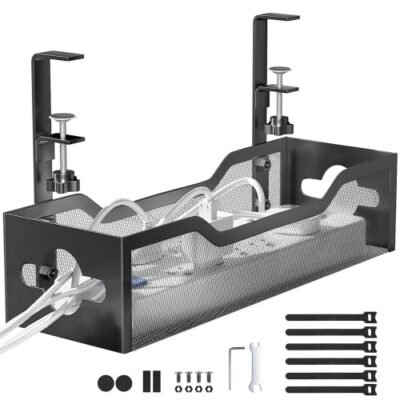
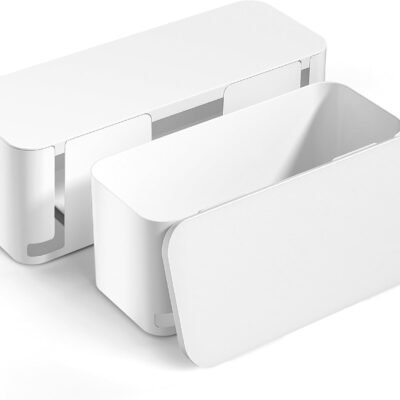
Cable Boxes
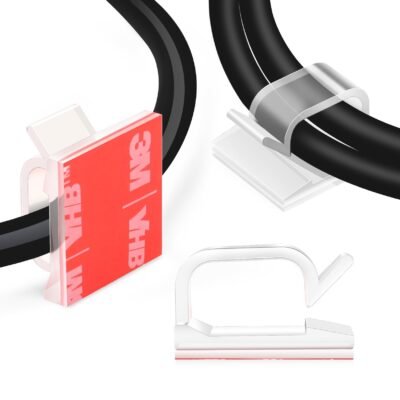
Cable Clips
Cable Sleeves
Spiral Cable Wrap
Cord Protectors for Pets
Split Wire Loom Tubing
Heat Shrink Tubing
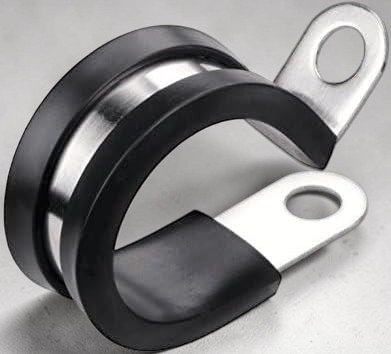
Cable Clamps
Cable Trays
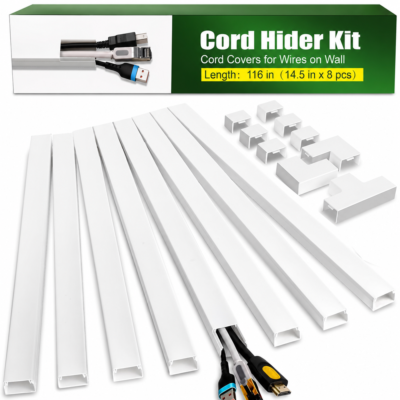
Cable Raceways
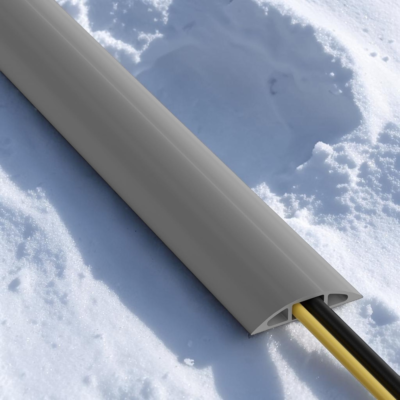
Floor Cord Covers
Conduits & Fittings
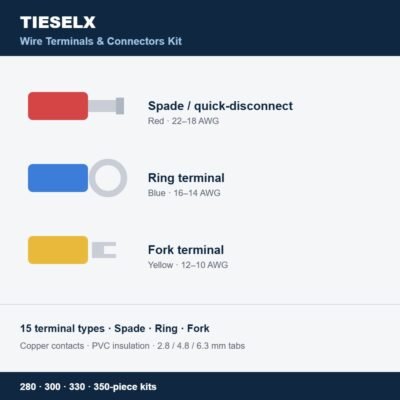
Wire Terminals & Connectors
Home
Zip Ties
White Zip Ties
Black Zip Ties
Multi Color Zip Ties
Hook and Loop Cable Straps
Silicone Cable Ties
Nylon Cable Ties
UV-Resistant Zip Ties
Bulk Zip Ties | Wholesale Cable Ties for Professional Use
Heavy-Duty
Stainless Steel
Reusable
Mounting
Guides
Cable Management
Cable Boxes
Cable Clips
Cable Sleeves
Spiral Cable Wrap
Cord Protectors for Pets
Split Wire Loom Tubing
Heat Shrink Tubing
Cable Clamps
Cable Trays
Cable Raceways
Floor Cord Covers
Conduits & Fittings
Wire Terminals & Connectors
TIESELX
COMPLETE CABLE MANAGEMENT SOLUTIONS
For Home • Office • Industrial Use
Home
/ Cable Management
Wire Terminals & Connectors
4 Products
Floor Cord Covers
1 Product
Conduits & Fittings
1 Product
Cable Trays
1 Product
Cable Sleeves
5 Products
Cable Raceways
1 Product
Cable Clips
4 Products
Cable Clamps
1 Product
Cable Boxes
2 Products
Scroll to Top